

To pack dishes for moving without breakage, always place plates vertically on their edges like records—never stack them flat. Use double-walled dish barrel boxes (Dish Packs), cushion the top and bottom with a 3-inch layer of crumpled packing paper, and wrap each item individually to absorb transit shocks.
Proper Dish Box Packing Structure
|
Box Layer |
Contents |
|
Top Cushion Layer |
3 inches of tightly crushed packing paper |
|
Middle Layer |
Vertically packed plates and wrapped bowls |
|
Lower Layer |
Heavy casserole dishes or divider inserts |
|
Bottom Cushion Layer |
3 inches of tightly crushed packing paper |
What You Will Need for Packing Dishes
- Dish Barrel Boxes (Dish Packs): Heavy-duty, double-walled corrugated boxes (5.2 cu. ft.) engineered specifically for fragile kitchenware.
- Unprinted Packing Paper: Acid-free newsprint for wrapping and creating shock-absorbing crumples without leaving ink stains.
- Bubble Wrap: 3/16-inch small bubbles for delicate stemware and 1/2-inch large bubbles for heavy casserole dishes or glass lids.
- Cell Divider Kits: Corrugated cardboard inserts designed to isolate glasses, mugs, and stemware inside the box.
- Heavy-Duty Packing Tape: 2-inch wide acrylic or hot-melt packing tape rated for heavy loads.
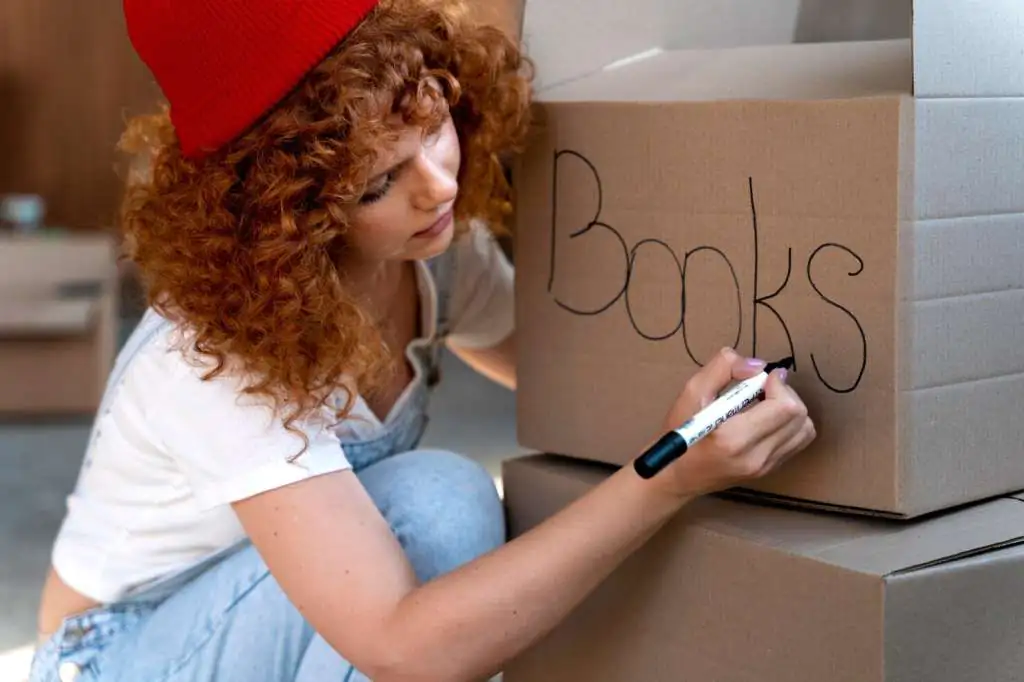
- Permanent Markers: For marking boxes on multiple sides with “FRAGILE,” “THIS SIDE UP,” and “KITCHEN – DISHES.”
- Utility Knife / Scissors: For quick cutting of tape, bubble wrap, and corrugated pads.

How to Prepare a Dish Barrel Box
Knowing how to pack a dish pack box in moving starts with structural preparation before a single plate goes inside.
Box Preparation Steps
|
Step |
Action |
|
1. Tape Reinforcement |
Flip the box. Fold the small flaps in, then the large ones. Apply tape along the center seam and crosswise over the edges (H-tape method). |
|
2. Base Cushioning |
Crumple unprinted packing paper into tight balls. Create a continuous, compressed pad roughly 3 to 4 inches thick at the bottom of the box. |
|
3. Integrity Check |
Press down on the paper pad. It should feel firm but springy, ensuring no hard plates will touch the bottom cardboard during transit. |
Step-by-Step Guide: How to Pack Dishes and Glasses for Moving
Mastering how to properly pack dishes for moving requires handling distinct types of kitchenware with tailored wrapping techniques. If you are gathering moving tips how to pack dishes, start by clearing a large, flat workspace.
Packing Plates and Bowls Vertically
Never stack plates horizontally on top of each other; bottom plates will crack under the pressure.
- Lay a sheet of packing paper flat on your work table.
- Place a plate in the center of the paper.
- Fold one corner of the paper over the plate to cover it completely.
- Place a second plate directly on top of the first covered plate.
- Fold the remaining corners of the paper over the second plate, creating a wrapped pair.
- Wrap the entire bundle in one additional sheet of paper, taping the edges down.
- Set the wrapped bundle vertically into the dish pack on top of the bottom cushion layer.
- Repeat until the bottom tier of the box is tightly packed. Fill all side gaps with crumpled paper.
How to Pack Glasses and Stemware
Stemware and glassware need individual isolation to survive sudden shifts.
Glassware Wrapping Process
|
Phase |
Technique |
|
Fill the Cavity |
Stuff the inside of every glass or mug with crumpled paper to equalize internal and external pressure. |
|
Roll and Fold |
Lay the glass diagonally on a corner of a paper sheet. Roll it forward, tucking the sides of the paper inward. |
|
Box Placement |
Place glasses vertically in the box—stems up for wine glasses, heavy bases down for tumblers. |
For delicate stemware, wrap the thin stem first with a strip of bubble wrap before wrapping the entire piece in paper. Use cell dividers whenever possible when learning how to pack glasses and dishes for moving.
How to Pack Casserole Dishes and Heavy Glassware
- Wrap glass lids separately in small bubble wrap and secure them with tape.
- Place a sheet of packing paper inside the empty casserole dish.
- Wrap the entire vessel in two layers of heavy-duty packing paper.
- For ceramic or Pyrex bakeware, add an outer layer of 1/2-inch bubble wrap around the base and handles.
- Place heavy casserole dishes at the very bottom tier of the box, below lighter plates and saucers. This approach represents the safest method for how to pack casserole dishes for moving.
Wrapping Fine China and Fragile Kitchenware
- Use clean, unprinted packing paper as the first contact layer. Never use newspaper directly on china, as ink will leach into porous glazes.
- Wrap each china piece individually. For antique saucers, place paper between each layer and wrap them in bundles of three.
- Add an extra layer of 3/16-inch bubble wrap around the entire bundle, taping the seams tightly.
- Pack fine china in its own dedicated, clearly marked dish pack. This is the gold standard for how to pack china dishes for moving and how to pack fragile dishes for moving.
Alternative Materials: How to Pack Dishes for Moving Without Paper
If you run out of packing paper or want an eco-friendly option, you can learn how to pack dishes for moving without paper by utilizing clean household textiles.
Alternative Wrapping Options
|
Material |
Best Used For |
|
Kitchen Towels |
Wrapping individual plates, saucers, and serving bowls. |
|
Microfiber Cloths |
Lining the interiors of delicate glasses and coffee mugs. |
|
T-Shirts & Socks |
Wrapping everyday glasses and cushioning empty box gaps. |
|
Oven Mitts |
Protecting long handles on pans and delicate kitchen utensils. |
When considering how to pack dishes for moving with bubble wrap, use it strictly as a secondary protective layer over paper or cloth to prevent the plastic bubbles from sticking to gloss finishes in hot weather. If you must research how to pack dishes for moving with newspaper, only use it as an outer gap filler or bottom pad—never wrapped directly against damp or glazed porcelain surfaces to avoid ink transfer.
Quick Troubleshooting & FAQ
Q: How to best pack dishes for moving if I don’t have dish barrel boxes?
A: Use small 1.5 cu. ft. standard boxes. Double-tape the bottom seams, keep the total weight under 40 lbs, and add extra padding on all sides. When figuring out how to pack dishware for moving, box structural integrity is your top priority.
Q: What is the most common mistake when packing kitchen dishes?
A: Packing plates flat instead of vertically. Flat plates crack easily when the moving truck hits bumps on the road.
Q: How to pack glass dishes for moving to prevent them from rattling?
A: Fill every single air gap inside the box with crumpled paper or cloth. If you shake the box gently and feel movement inside, you need to add more void filler.
Q: How many dishes should go into one single box?
A: Fill the box until it is 2 inches from the top, cushion the remaining space with paper, and close the flaps. Never force a box shut if it bulges.
Loading, Transporting, and Long-Term Storage
- Truck Placement: Always place dish pack boxes flat on the truck floor against the cab wall or tied off against logistics tracks. Never place heavy toolboxes, furniture legs, or unanchored items on top of dish boxes. This is essential when researching how to pack dishes moving across long distances.
- Climate-Controlled Storage: If storing dishes for longer than 30 days, avoid non-climate-controlled units or outdoor sheds. Temperature fluctuations cause glass and porcelain to expand and contract, leading to micro-fractures.
- Unpacking Safety: Set the dish pack on a stable table before opening. Remove top padding carefully, lifting wrapped bundles vertically out of the box rather than pulling individual items out from the side. Knowing how to safely pack dishes for moving also means knowing how to safely unpack them.
Professional Packing Solutions for Every Move
Safely executing how to pack up dishes for moving takes time, precision, and the right materials. If you prefer to bypass the stress of wrapping hundreds of breakables, working with a professional moving company guarantees that your entire kitchen arrives intact. Professional packers bring custom dish packs, cell dividers, and specialized wrapping materials directly to your door.
Proper planning makes all the difference when coordinating a kitchen move across town or across the state. Reviewing local moving destinations helps you calculate transit times and schedule your packing timeline effectively. For seamless transitions, booking dedicated local moving services provides expert crews trained in handling delicate glass, heavy appliances, and fragile tableware.
Different properties present unique challenges when considering moving how to pack dishes efficiently and safely:
Navigating High-Rises and Apartment Kitchens
Moving heavy boxes of glass plates down narrow stairwells or through busy elevator banks requires specialized care. An experienced apartment moving team uses padded hand trucks, elevator wall covers, and tight-space maneuvering techniques to keep your delicate kitchen inventory safe from door frames and sudden drops, regardless of whether you are wondering how to pack dishes when moving from a third-floor walk-up or a luxury high-rise.
Commercial Kitchens and Corporate Cafeterias
Relocating commercial-grade dishware, heavy ceramic serving platters, and glass displays demands industrial organization. Tailored commercial moving options provide rolling crates, labeled inventory systems, and heavy-duty logistics support to minimize operational downtime and protect your valuable kitchen assets during the relocation process, ensuring you never have to worry about how to pack kitchen dishes for moving at a massive scale.