

To pack pillows and blankets for moving, place clean bedding into jumbo vacuum storage bags to shrink volume by 75%, or pack uncompressed linens into 4.5 cu. ft. large boxes lined with 55-gallon plastic bags. You can also use soft blankets and pillows as protective padding around fragile items inside cardboard moving cartons.
Partnering with a reliable professional moving company ensures your household textiles arrive clean, dry, and dust-free. Whether transferring between local moving locations or relocating across the country, proper linen preparation prevents mold, mildew, and unnecessary truck cargo bulk.
Supplies Needed for Packing Bedding and Linens
Before scheduling local moving services, gather these essential protective packing materials:
- 4.5 cu. ft. Large Moving Boxes: Heavy-duty corrugated boxes designed specifically for lightweight, bulky items like duvets and comforters.
- Jumbo Vacuum Storage Bags: Heavy 4-mil plastic bags with air valve ports that compress lofty synthetic bedding down by up to 75%.
- 55-Gallon Plastic Contractor Liners: Clear 2-mil heavy-duty plastic bags inserted inside moving boxes to block moisture and dust.
- Acid-Free Tissue Paper: Soft paper sheets used to protect delicate embroidery, beads, and sequins on decorative accent cushions.
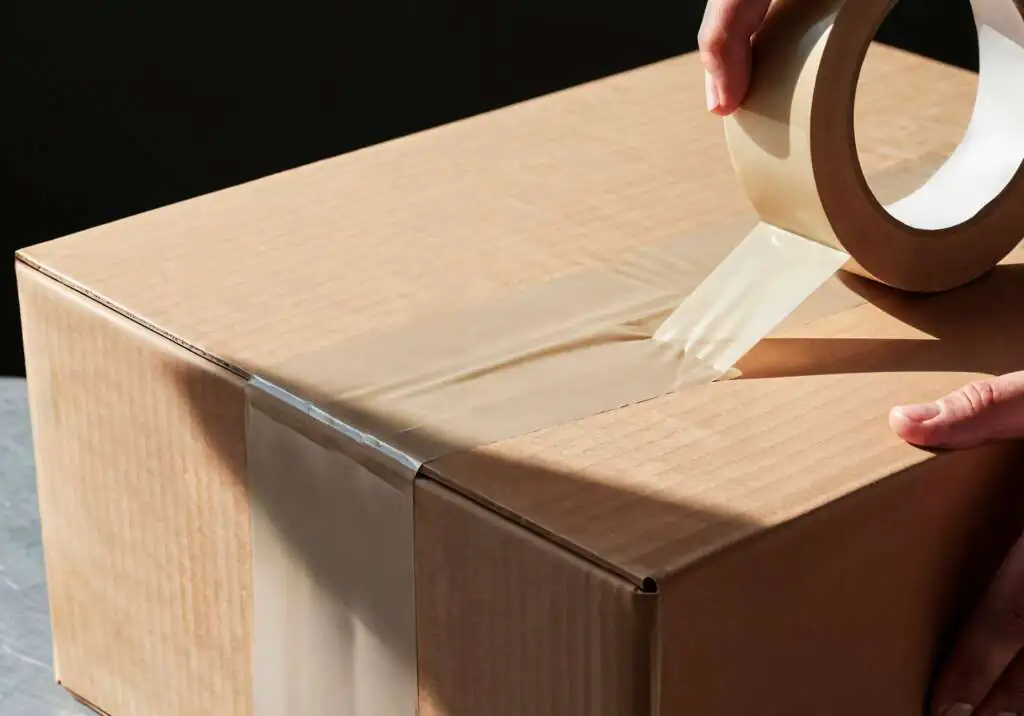
- 2-Inch Commercial Packing Tape: High-tack 2.0 mil acrylic tape to securely seal box seams and plastic bag openings.
Step-by-Step Guide: How to Pack Pillows and Blankets for Moving
Applying structured packing methods when mastering how to pack pillows and blankets for moving keeps household linens fresh and ready for immediate use.
Step 1: Washing, Sorting, and Moisture Prevention
Before discovering how to pack blankets for moving, wash and thoroughly dry every item. Trapped moisture inside sealed plastic or cardboard cartons creates mold growth and severe odors within 48 hours. Group linens by room, season, or material—separating heavy wool quilts from delicate synthetic throws.
Step 2: Vacuum Compression vs. Lined Box Packing
When learning how to pack pillows for moving or how to pack bed pillows for moving, vacuum compression offers the ultimate space-saving hack. Insert up to 4 standard synthetic bed pillows into a jumbo vacuum bag, attach your vacuum hose, and extract excess air. Seal the valve cap tightly.
If packing uncompressed items, line a 4.5 cu. ft. cardboard box with a 55-gallon clear contractor bag. Place heavy blankets at the bottom and lighter pillows on top. When deciding how to pack comforters and pillows for moving, fold heavy comforters into tight thirds before placing them flat inside the lined carton to maximize vertical space.
Step 3: Packing Decorative Throw Pillows and Comforters
Knowing how to pack throw pillows for moving requires protecting delicate fabrics like velvet, silk, or beaded covers. Wrap intricate accent pillows in acid-free tissue paper or clean cotton pillowcases before placing them upright in medium 3.0 cu. ft. boxes.
Understanding how to pack pillows when moving also involves utilizing soft items as protective buffers. Wrap fragile mirrors, lamp bases, or wall art in thick fleece blankets inside moving cartons. This clever technique saves money on bubble wrap while streamlining how to pack blankets and pillows for moving.
Do’s and Don’ts When Packing Household Linens
- DO use clean pillows to fill empty voids at the top of wardrobe boxes or mirror cartons to keep items from shifting.
- DO seal all plastic liners with twist ties or packing tape to shield fabrics against dust and pests.
- DON’T compress natural down feather pillows or down comforters in vacuum bags long-term, as crushing snaps delicate quills.
- DON’T pack unwashed or damp bed linens inside sealed plastic bags, which leads to permanent mildew ruin.
Advanced Transit Safety, Truck Loading, and Storage
Coordinating with an experienced apartment moving team or arranging corporate commercial moving options simplifies your move. When organizing cargo, load lightweight 4.5 cu. ft. bedding cartons near the top of truck stacks above heavy furniture to avoid crushing.
If placing textiles into long-term storage, select a climate-controlled storage unit maintained between 60°F and 75°F with relative humidity under 50%. Climate control prevents fabric dry rot, yellowing, and stale ambient odors.
Frequently Asked Questions
Should you compress down feather pillows in vacuum storage bags?
No. Vacuum compressing down feather pillows crushes natural quills, strips natural oils, and permanently destroys loft. Always pack down items uncompressed inside breathable cotton storage bags or paper-lined cartons.
Can you use trash bags to pack blankets and pillows for moving?
Yes, heavy-duty 2-mil clear contractor bags work well for lining boxes or quick transport. Avoid thin black trash bags, which tear easily, trap moisture, and can be easily mistaken for trash during unloading.
How many bed pillows fit in a large 4.5 cu. ft. moving box?
An uncompressed 4.5 cu. ft. box comfortably fits 4 to 6 standard bed pillows without forcing the box flaps. If vacuum-sealed, the same box can hold up to 12 to 16 compressed pillows.
How do you keep packed blankets smelling fresh during transit?
Place fresh dryer sheets, cedar blocks, or lavender sachets between folded blankets inside plastic-lined boxes to repel stale odors and pests during travel.
Final Linen Packing Checklist and Professional Moving Solutions
- Dry Thoroughly: Confirm all bedding is 100% dry prior to packing.
- Compress Synthetic Bedding: Vacuum-seal synthetic pillows to reduce cargo volume by 75%.
- Line Boxes: Insert heavy plastic liners inside 4.5 cu. ft. cartons for moisture protection.
- Cushion Fragiles: Use extra blankets to wrap delicate household decor inside boxes.
- Label Clearly: Mark every carton with “BEDDING – ROOM LOCATION” for effortless unpacking.
Protecting your household bedding ensures a clean, comfortable night’s rest in your new home. For full-service packing, white-glove handling, and stress-free relocation, contact Bees Moving ST today to request your free quote!
2026 moving trends: moving checklists are becoming more digital, deadline-driven, and inventory-focused. For the smoothest move, confirm elevator reservations, parking permits, utility transfers, packing priorities, and donation or disposal plans early, then keep a shared checklist updated on your phone so every important task stays visible before moving day.