

To pack fragile glasses safely, stuff the interior cavity with crumpled unprinted packing paper to equalize pressure, roll each glass diagonally in two sheets of paper, and place them vertically inside a double-walled 5.2 cubic foot dish barrel box. Cushion the bottom and top of the box with a 3-inch layer of crushed paper, and never allow two unwrapped glass surfaces to touch. If you are managing a massive kitchen relocation and lack the time to individually wrap delicate stemware, partnering with a professional moving company guarantees your fragile inventory is secured using custom cell dividers and industry-grade shock absorption.
Understanding how to pack glass for moving requires strict attention to structural integrity. Before boxing up your entire kitchen, reviewing your specific local moving destinations allows you to calculate transit times and choose the appropriate packing materials for varying climate zones and road conditions.
Essential Packing Materials for Fragile Items
Required Glassware Packing Supplies
|
Supply Item |
Exact Specification |
Best Used For |
|
Dish Barrel Boxes |
5.2 cu. ft., double-walled corrugated cardboard |
Absorbing heavy impacts and stacking weight for all kitchen glass. |
|
Unprinted Packing Paper |
Acid-free, 24×36 inch newsprint sheets |
Wrapping and internal cavity stuffing without leaving ink stains. |
|
Bubble Wrap |
3/16-inch small bubble rolls |
Wrapping delicate stems and creating an outer shock layer. |
|
Corrugated Cell Dividers |
Multi-slot cardboard inserts |
Isolating individual wine glasses and tumblers inside the box. |
|
Packing Tape |
2-inch wide hot-melt or acrylic tape |
Securing box bottoms using the heavy-duty H-tape sealing method. |
Securing the right materials is the foundation of how to pack glass items for moving. When utilizing standard local moving services, professional crews rely exclusively on double-walled dish boxes rather than thin, standard moving boxes to prevent crushing under load pressure.
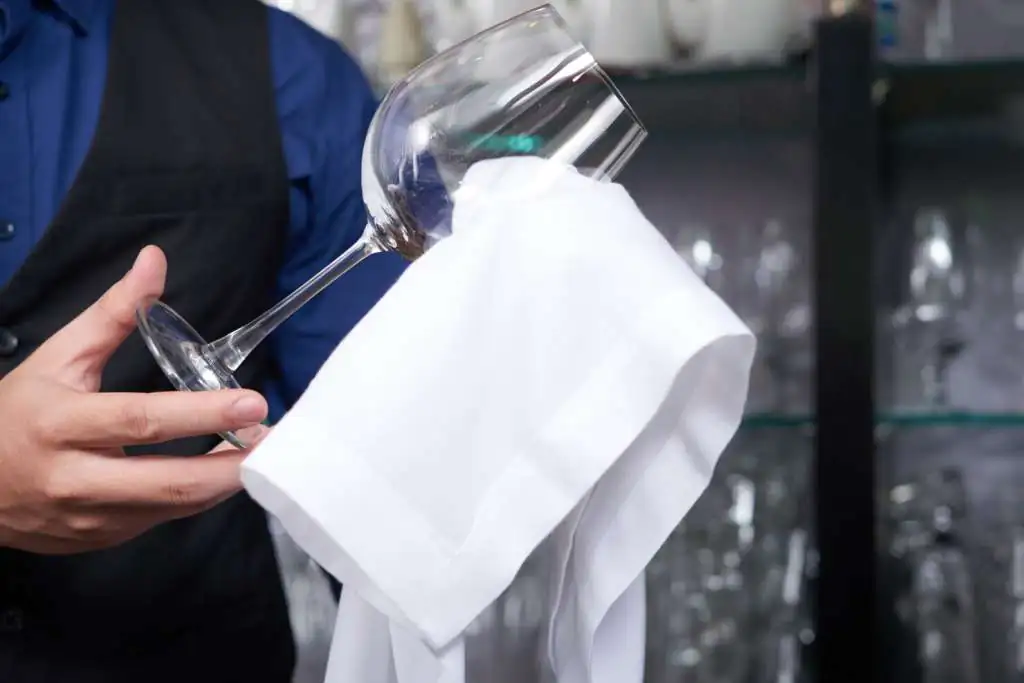
How to Safely Pack Glassware for Moving
Mastering how to pack glassware for moving requires specific wrapping techniques tailored to the shape and thickness of the vessel. Flat, thick bottoms require different handling than ultra-thin crystal stems.
How to Pack Drinking Glasses for Moving
When tackling how to pack cups and glasses for moving, start with your heaviest, thickest everyday water glasses.
- Crumple half a sheet of packing paper and push it deep into the bottom of the glass.
- Lay a full sheet of packing paper flat on your work surface.
- Place the stuffed glass on the corner of the paper at a 45-degree angle.
- Roll the glass forward once, then fold the left and right sides of the paper over the glass.
- Continue rolling until the entire sheet is wrapped tightly around the cylinder.
- Place the wrapped glass vertically (standing up) inside the box on top of your 3-inch bottom cushion layer.
If you need to know how to pack shot glasses for moving, bundle them in groups of three. Wrap the first shot glass completely, place the second one next to it, roll the paper again, add the third, and seal the bundle with packing tape to prevent them from getting lost in the packing peanuts.
How to Pack Wine Glasses for Moving
Delicate stemware is highly susceptible to snapping at the neck. If you are researching how to pack crystal glasses for moving or how to pack champagne glasses for moving, the stem is your primary concern.
- Cut a small strip of 3/16-inch bubble wrap and wrap it tightly around the thin stem of the glass, securing it with a small piece of tape.
- Gently stuff the bowl of the wine glass with soft, crumpled paper.
- Roll the entire glass in two sheets of packing paper using the diagonal rolling method.
- Insert the wrapped glass into a corrugated cardboard cell divider inside the box, placing it stem-up to keep the weight on the stronger rim.
When figuring out how to pack martini glasses for moving, their wide, V-shaped bowls require an extra outer layer of bubble wrap to protect the wide rim from side-impact pressure inside the cell divider.
How to Pack Wine Glasses for Moving Without Dividers
If you do not have cardboard inserts and need to know how to pack wine glasses when moving, you must build structural walls using paper.
Wrap each wine glass meticulously in paper, followed by a tight layer of bubble wrap. Stand them vertically in the box. Take large handfuls of packing paper, crumple them tightly into dense balls, and wedge them between every single glass. If you shake the box gently and feel any shifting, you must add more crushed paper. This void-fill method is the only safe way to solve how to pack wine glasses moving long distances without structured cells.
Kitchen Mix: Plates, Bowls, and Storage Containers
Transitioning from drinkware to food prep items involves heavier glass that carries distinct risks.
How to Pack Plates and Glasses for Moving
The fundamental rule for how to pack plates and glasses for moving in the same box is weight distribution. Always pack glass plates at the absolute bottom of the box, standing vertically on their edges like vinyl records. Never lay glass plates flat, or the center plates will shatter under the vibration of the moving truck.
Once your bottom layer of vertically wrapped plates is secure, place a flat, sturdy sheet of corrugated cardboard over them. You can then begin packing your wrapped glasses vertically on this new cardboard platform. This tiered approach is the safest method for how to pack glasses and plates for moving efficiently.
How to Pack Glass Tupperware and Bowls
Figuring out how to pack glass tupperware for moving requires managing the heavy Pyrex bases and their plastic lids. Remove all plastic lids and pack them separately in a ziplock bag. Nesting is the key to how to pack glass bowls for moving safely.
Take your largest glass bowl and line the inside with two sheets of packing paper. Place the next smallest bowl directly inside it. Line that bowl with paper, and insert the third bowl. Wrap the entire nested stack of three bowls in a large sheet of 1/2-inch thick bubble wrap and tape it securely. Place these heavy bundles at the bottom of your dish boxes.
How to Pack Glass Jars and Bottles
If you need to know how to pack glass jars for moving, especially mason jars used for canning, ensure they are completely empty and dry. Wrap the glass jar in paper, and wrap the metal lid separately to prevent the metal from scratching the glass threads during transit.
When addressing how to pack glass bottles for moving—such as olive oil dispensers or decorative decanters—wrap the neck of the bottle in bubble wrap first, just like a wine glass stem. Stand all glass bottles entirely upright in the box; laying them on their sides drastically increases the risk of cracking under top-down pressure.
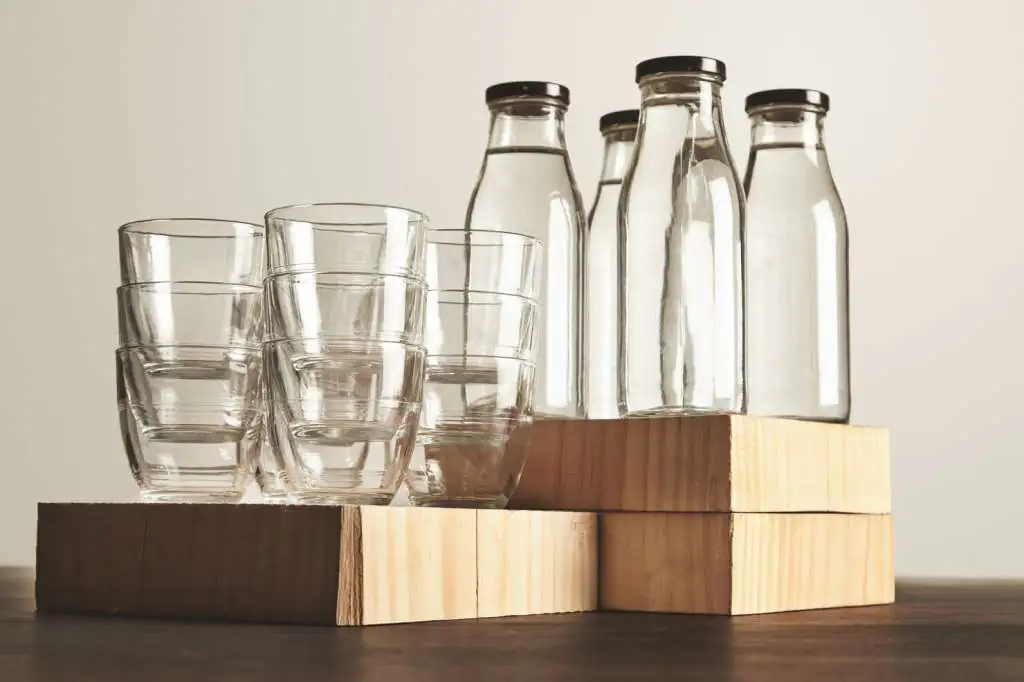
Large and Specialty Glass: Vases, Shelves, and Furniture
Not all glass fits into a standard dish box. Moving oversized fragile items requires heavy-duty exterior protection.
How to Pack Glass Vases for Moving
Tall decorative vases carry a high center of gravity. Stuff the interior completely full of paper to absorb acoustic shocks. Wrap the outside in paper, followed by two tight layers of heavy-duty 1/2-inch bubble wrap. Lay the vase flat inside a dedicated, narrow moving box, and fill every empty inch of space with dense packing peanuts so the vase is suspended in the center of the box.
How to Pack a Glass Table Top for Moving
If you are dealing with glass furniture, knowing how to pack glass table top for moving is a matter of edge protection.
- Wrap the entire glass pane in a moving blanket and secure it tightly with stretch wrap.
- Apply foam edge protectors (or slit foam pool noodles) around the entire perimeter of the glass over the blanket.
- Slide the protected glass pane into a specialized telescopic picture/mirror box.
- Tape the box shut and label it “FRAGILE – GLASS – DO NOT LAY FLAT.”
If you are navigating a multi-story building, carrying a heavy, wrapped glass table top down narrow stairs is dangerous. Trusting a professional apartment moving team ensures this heavy pane is carried using specialized lifting straps and transported on edge, never flat, to prevent it from bowing and shattering under its own weight.
When figuring out how to pack glass shelves for moving, group three identically sized shelves together. Place a layer of bubble wrap between each shelf, tape them into a single solid block, and slide the block into a flattened mirror box.
Alternative Packing Methods
Sometimes you run out of specialized supplies and must improvise with what you have on hand.
How to Pack Glasses for Moving With Bubble Wrap
If you want to maximize protection, understanding how to pack glasses for moving with bubble wrap is useful, but it must be done correctly. Never place plastic bubble wrap directly against delicate crystal or painted glassware for long periods, especially in hot climates, as the plastic can melt or leave chemical residue. Always wrap the glass in one layer of clean paper first, then apply the 3/16-inch bubble wrap over the paper. Tape the bubble wrap tightly so it does not slip off during transit.
How to Pack Glasses for Moving Without Paper
If you find yourself wondering how to pack glasses for moving without paper, you can use clean household textiles. Clean microfiber cloths, thick winter socks, and cotton kitchen towels make excellent shock absorbers. Slip a drinking glass directly into a clean, thick sock, tucking the top of the sock inside the rim of the glass to protect the edges. Use thick bath towels to line the bottom and sides of the moving boxes instead of crumpled paper.
Quick Troubleshooting & FAQ
Q: What is the most critical mistake when figuring out how to pack up glassware for moving?
A: Leaving empty space inside the box. If you seal the box, shake it gently, and hear a clinking sound, your glasses are going to break. You must open the box and add more void-fill material until nothing can move.
Q: How to best pack glasses for moving if I have very thin, delicate heirlooms?
A: Double-box them. Pack the delicate glasses in a small box using cell dividers. Then, place that small box inside a larger dish barrel box, filling the gap between the two boxes entirely with packing peanuts.
Q: In terms of how to pack fragile glass items for moving, should I wash them first?
A: Yes. Sticky residue on glass jars or cups can attract pests during transit and storage, and it can cause packing paper to adhere aggressively to the glass, making unpacking a nightmare.
Q: How to pack up glasses for moving safely when using standard boxes?
A: Reinforce the bottom seam with three overlapping strips of 2-inch heavy-duty packing tape. Limit the total weight of the box to 30 lbs to prevent the bottom from giving out when lifted.
Loading, Transporting, and Professional Solutions
When researching how to pack glasses when moving, the final step—loading the truck—is just as vital as the wrapping process. Always load boxes marked “FRAGILE GLASS” on the floor of the moving truck, tucked securely under sturdy furniture like a desk or a heavy dining table. This prevents heavy boxes from falling onto your fragile items during sudden stops.
If you are dealing with a large estate or a corporate cafeteria relocation, managing how to safely pack glassware for moving across hundreds of items is incredibly time-consuming. Utilizing specialized commercial moving options provides access to heavy-duty plastic rolling crates and professional packers who can safely prep, transport, and unpack massive quantities of fragile glass, ensuring zero operational downtime and perfectly intact inventory.