

To pack knives for moving safely, sheath individual blades in cardboard sleeves or roll them tightly in unprinted packing paper, wrap handles securely with painter’s tape, and store them flat inside a small 1.5 cu. ft. moving box. Never pack loose cutlery directly inside moving cartons.
Partnering with a trusted professional moving company guarantees your kitchenware arrives undamaged. Whether you are transferring between different local moving locations or moving cross-country, protecting sharp edges prevents accidental box punctures and personal injury.
Pre-Packing Essentials: Recommended Supplies
- Cardboard Knife Sheaths: Plastic edge guards or DIY folded cardstock sleeves for individual blade protection.
- Heavy Packing Paper: 25 lb unprinted newsprint paper (24 x 36 inches) to buffer metal edges.
- Bubble Wrap & Towels: 3/16-inch small bubble wrap or thick cotton dish towels for shock absorption.
- Painter’s Tape: 2-inch painter’s tape to hold wrapping layers securely without leaving adhesive residue.
- Small Box (1.5 cu. ft.): Heavy-duty cardboard container rated up to 50 lbs for dense kitchenware.
Step-by-Step Methods: How to Pack Kitchen Knives for Moving
Applying structured wrapping techniques safeguards blade sharpness when discovering how to pack knives for moving.
Method 1: Wrapping Individual Blades in Paper or Towels
Lay a kitchen knife flat on the corner of a sheet of packing paper or dish towel. Fold the paper corner over the blade, roll it tightly twice, place the next knife pointing in the opposite direction, and repeat. This alternating roll technique resolves how to pack kitchen knives for moving by isolating each blade to prevent metal friction.
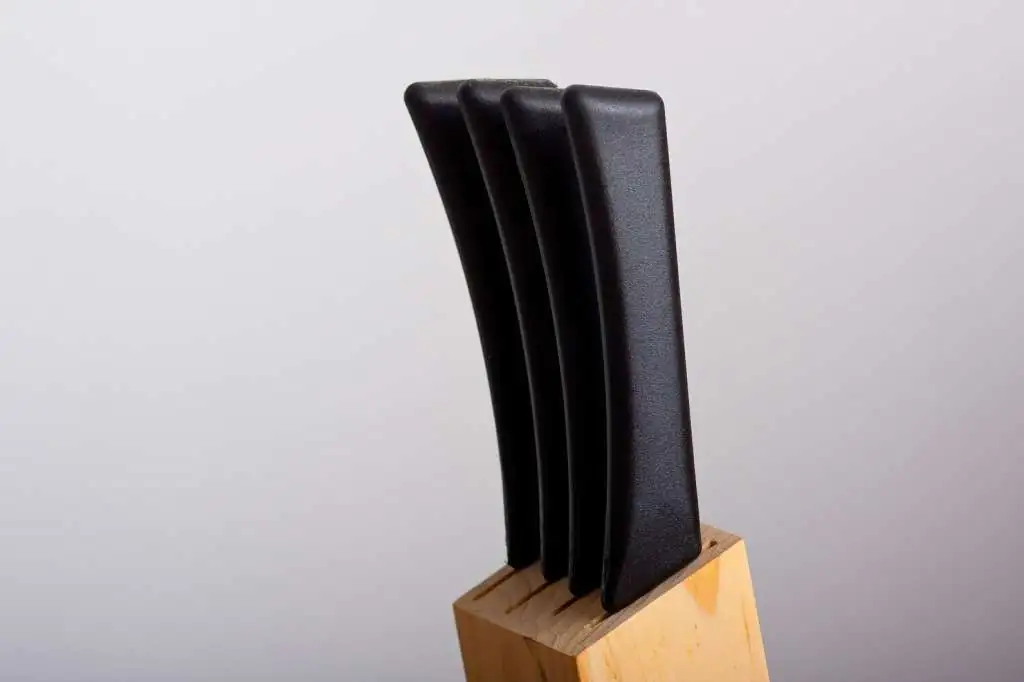
Method 2: Packing a Wooden Knife Block
Keep knives inside their original wooden block if available. Insert each blade into its slot, then wrap painter’s tape tightly around the entire block to lock handles in place. Wrap the block in 3/16-inch bubble wrap before standing it upright inside a small carton when organizing how to pack sharp knives for moving.
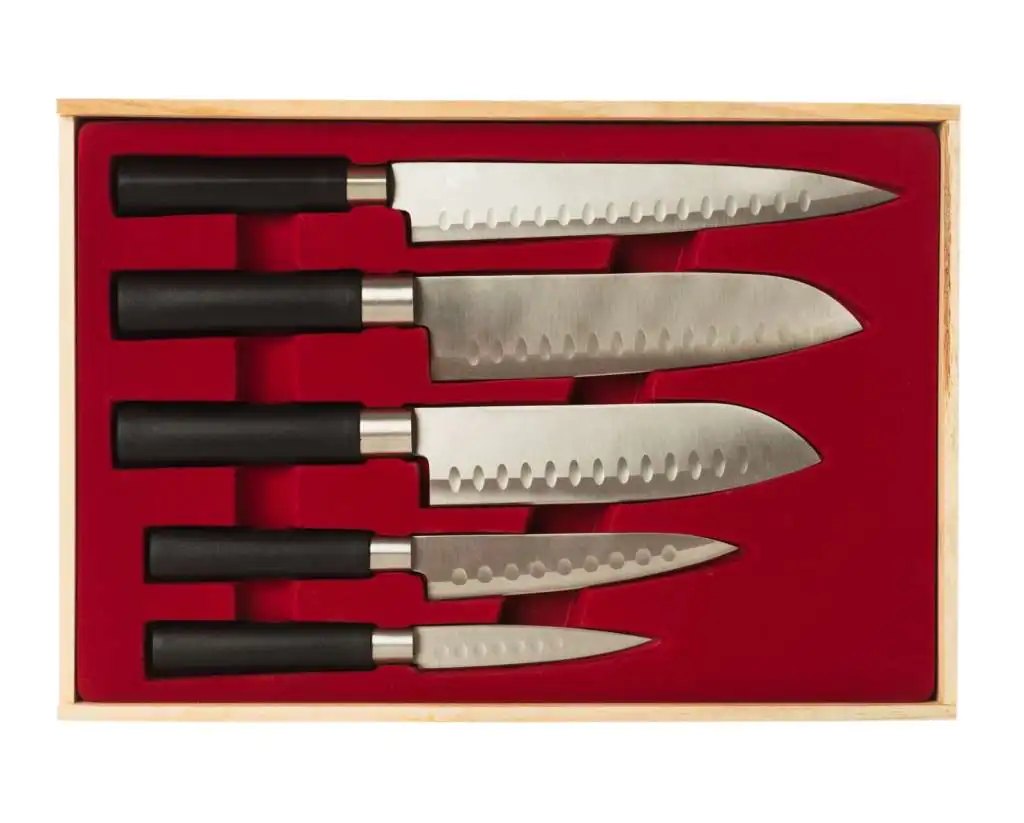
Method 3: Handling Chef Knives and Heavy Cleavers
Heavy culinary tools require custom edge reinforcement. Slide cardboard sleeves over long blades before wrapping them in bubble wrap. Knowing how to pack knives when moving requires pointing all handles toward the outer edges of the container while keeping heavy cleavers centered at the base layer.
Do’s and Don’t’s for Packing Sharp Blades
- DO point blade tips away from box opening flaps.
- DO label cartons clearly on two sides with red marker: “FRAGILE – DANGER: SHARP KNIVES”.
- DON’T use thin stretch wrap alone, as sharp tips will easily puncture thin plastic film when discovering how to pack sharp knives when moving.
- DON’T pack unshielded knives loosely inside drawers or plastic totes.
Advanced Transit Safety, Loading, and Storage Considerations
When scheduling local moving services, organizing kitchen items by density keeps loading efficient. Position knife boxes flat on the truck floor against bulkheads, or place them near upper tiers above heavy dishpack containers.
Working with an experienced apartment moving team or selecting corporate commercial moving options ensures your boxed kitchenware remains stable throughout transit. For long-term storage, wipe carbon steel blades with food-grade mineral oil to prevent rust caused by ambient humidity.
Frequently Asked Questions
What is the best way to safely pack knives for moving?
The best strategy for how to safely pack knives for moving is wrapping individual blades in protective cardboard sheaths or thick packing paper, binding handles securely with painter’s tape, and placing them flat in a 1.5 cu. ft. box labeled “SHARP KNIVES”.
Can I leave knives in a magnetic strip holder during a move?
No. Magnetic strips lose holding force during transit vibrations. Remove all blades, sheath them individually, and pack the magnetic bar separately inside paper padding.
How do you protect blade tips from bending?
Fold a 2-inch strip of thick corrugated cardboard over the blade tip, seal it with painter’s tape, and slide the knife into a fitted paper sleeve before packing.
Final Checklist for Safe Knife Transport
- Clean and Dry Blades: Ensure knives are free from moisture to prevent corrosion.
- Sheath Every Edge: Use plastic guards, cardstock sleeves, or paper rolls.
- Tape Handles Firmly: Secure all outer wraps with painter’s tape.
- Label Cartons Explicitly: Mark boxes clearly with high-visibility safety warnings.
Following these practical steps keeps your cutlery protected during transit. Contact Bees Moving ST today to request a free moving estimate!
2026 moving trends: moving checklists are becoming more digital, deadline-driven, and inventory-focused. For the smoothest move, confirm elevator reservations, parking permits, utility transfers, packing priorities, and donation or disposal plans early, then keep a shared checklist updated on your phone so every important task stays visible before moving day.