

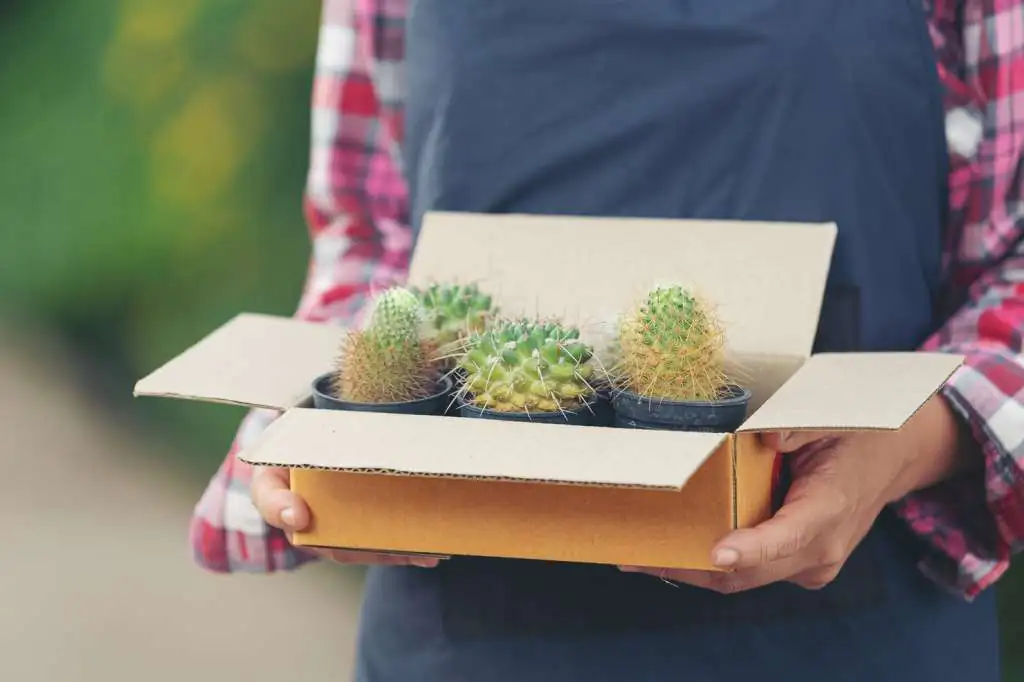
To pack plants for moving, water live greenery 48 hours prior, transfer fragile clay pots into plastic nursery containers, wrap foliage in kraft paper cones, and secure bases inside 1.5 to 3.0 cu. ft. cartons with crumpled paper. Always keep boxes upright with open top flaps for light and ventilation.
Partnering with a trusted professional moving company ensures a smooth relocation across local moving locations. While most carriers restrict live flora in cargo vans due to heat, following safe preparation methods keeps greenery healthy in personal vehicles.
Essential Plant Packing Supplies:
- 1.5 & 3.0 cu. ft. Moving Cartons: Sturdy boxes for single or grouped pots.
- Kraft Packing Paper: 24 x 36-inch sheets for foliage sleeves.
- Plastic Nursery Pots: Lightweight containers replacing ceramic pots.
- 3/16-Inch Bubble Wrap: Cushioning for fragile ceramic pots.
- 2-Inch Acrylic Tape: For securing paper cones and box bases.
Pre-Packing Essentials: Supplies and Care Prep
Scheduling local moving services well in advance gives you time to prepare delicate flora. Inspect plants for pests 1 week before packing to prevent infestations during travel.
Step-by-Step Guide: How to Pack Houseplants for Moving
Applying proper care protocols when learning how to pack house plants for moving protects root systems and stems.
Step 1: Pruning, Watering, and Repotting
Prune dead foliage 3 days out. Water soil 48 hours prior so roots stay moist without pooling water. When learning how to pack a plant for moving, swap heavy ceramic pots for plastic nursery containers. This eliminates pot breakage when discovering how to pack potted plants for moving.
Step 2: Wrapping Foliage and Securing Plant Pots
One of the top moving hacks how to pack plants for moving is making a paper sleeve. Wrap kraft paper around the pot, extend it above foliage, and tape it into a cone. When mastering how to pack plant pots for moving, wrap remaining ceramic containers separately in bubble wrap.
Step 3: Box Cushioning and Vertical Stacking
Set pots upright in a 3.0 cu. ft. carton. Fill empty spaces with crumpled newsprint paper so pots cannot tip. Knowing how to pack houseplants for moving involves leaving box flaps open or punching 1-inch holes for airflow when figuring out how to pack up plants for moving or how to pack your plants for moving.
Special Handling: Large, Tall, and Artificial Plants
Different plant types require specialized packing methods:
- Large & Tall Greenery: When understanding how to pack large plants for moving or how to pack tall plants for moving, tie moss stakes alongside main stems. Place base pots of tall trees inside open wardrobe cartons when learning how to pack big plants for moving.
- Artificial & Fake Plants: When figuring out how to pack fake plants for moving or how to pack artificial plants for moving, condense branches and pack them inside 4.5 cu. ft. boxes lined with paper.
- Empty Containers: When mastering how to pack empty plant pots for moving, nest plastic containers with paper buffers inside 1.5 cu. ft. boxes.
Do’s and Don’ts When Packing Plants for Moving
- DO check state USDA regulations when executing how to pack live plants for moving.
- DO transport plants in temperature-controlled personal vehicles.
- DON’T load live plants inside unventilated moving truck trailers.
- DON’T use plastic wrap directly on leaves when learning how to pack plants for moving house or how to pack plants when moving.
Advanced Transit Safety, Climate, and Regulations
When booking an apartment moving team or reviewing commercial moving options, check agricultural quarantine laws in states like California or Florida. Transport plants in personal vehicles between 60°F and 75°F.
Frequently Asked Questions
Can moving companies transport live plants across state lines?
Most commercial movers prohibit live plants on long-distance moves due to USDA pest quarantine laws and extreme truck trailer temperatures.
How long can houseplants stay inside a sealed moving box?
Houseplants should not remain in sealed boxes for more than 24 hours. Keep tops open to allow light and air circulation.
How do you pack fragile ceramic plant pots safely?
Wrap ceramic pots individually in 2 layers of 3/16-inch bubble wrap and pack them in a 1.5 cu. ft. box padded with crumpled paper.
Final Plant Packing Checklist and Moving Solutions
- Prune and Water: Water plants 48 hours prior; prune dead leaves.
- Repot in Plastic: Swap ceramic containers for lightweight plastic pots.
- Wrap and Cushion: Build paper cones around leaves and cushion box bases.
- Ventilate: Keep box tops open during transit in climate-controlled vehicles.
Preparing your greenery carefully ensures a fresh start in your new home. Contact Bees Moving ST today for a free moving quote!
2026 moving trends: moving checklists are becoming more digital, deadline-driven, and inventory-focused. For the smoothest move, confirm elevator reservations, parking permits, utility transfers, packing priorities, and donation or disposal plans early, then keep a shared checklist updated on your phone so every important task stays visible before moving day.