

To pack pots for moving, pad a 1.5 to 3.0 cu. ft. box with crushed paper, nest smaller pots inside larger ones with paper linings, wrap glass lids separately, and pack them vertically. Keep total box weight under 45 lbs to ensure safe transport.
Hiring a professional moving company guarantees your kitchenware stays protected during transit. Whether relocating across nearby local moving locations or long-distance, applying proper wrapping techniques prevents scratches, dents, and broken glass.
Supplies Needed for Packing Cookware
Before organizing kitchen items for local moving services, gather these essential packing materials:
- Medium Boxes (1.5 to 3.0 cu. ft.): Heavy-duty corrugated boxes rated for 50 lbs.
- Unprinted Packing Paper: 24 x 36-inch newsprint sheets for nesting buffers.
- 3/16-Inch Bubble Wrap: Shock-absorbing wrap for glass lids.
- 2-Inch Acrylic Packing Tape: Commercial-grade tape for box seams.
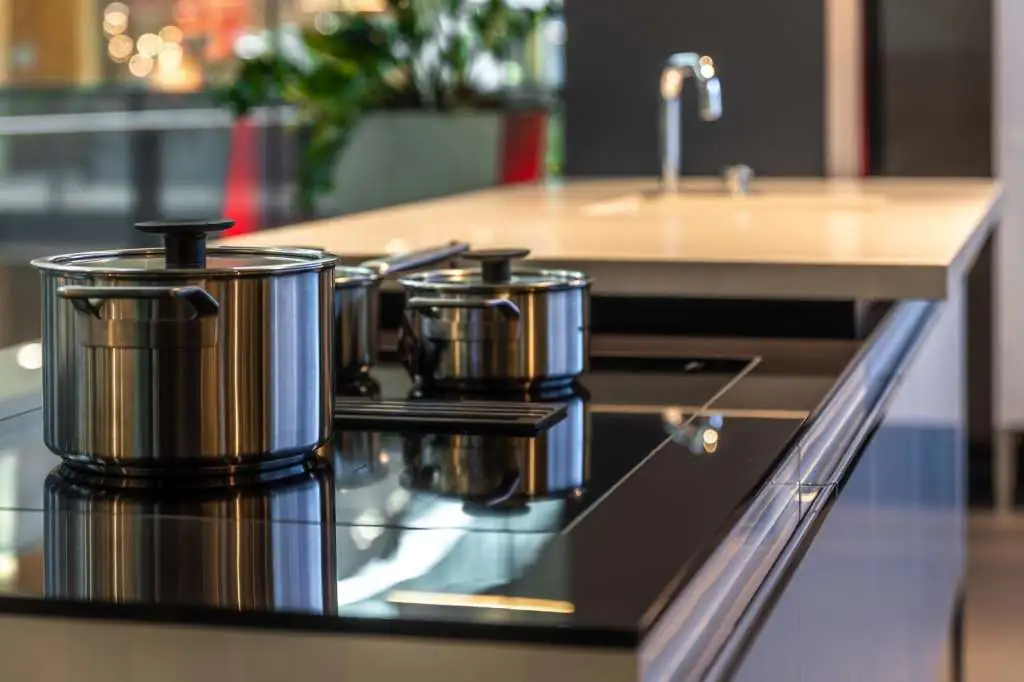
Step-by-Step Guide: How to Pack Pots for Moving
Applying structured layering techniques simplifies kitchen preparation when discovering how to pack pots for moving.
Step 1: Nesting and Layering Pots
Place a large pot in the center of a sheet of packing paper, push the paper inside the bowl, and place a slightly smaller pot inside. Nest up to 3 pots together. When organizing how to pack pots and when moving, always insert paper sheets between metal layers to avoid scratching non-stick coatings.
Step 2: Wrapping Glass Lids Safely
Wrap glass lids individually in 3/16-inch bubble wrap, securing edges with tape. Stand wrapped lids vertically along the inner sides of the box rather than laying them flat. This layout prevents crushing when managing how to pack pots and moving logistics.
Step 3: Packing Big Pots and Heavy Stockpots
When evaluating how to pack big pots for moving, place heavy cast iron Dutch ovens and 12-quart stockpots flat at the bottom of 1.5 cu. ft. boxes. Fill empty spaces with rolled newsprint to keep items stable.
Do’s and Don’ts When Packing Pots
- DO pad the bottom of every box with 3 inches of crumpled paper.
- DO wrap pot handles with extra paper padding to protect box walls.
- DON’T overload boxes beyond 45 lbs.
- DON’T pack unwashed cookware with food residue.
Advanced Transit Safety and Storage
Coordinating with an apartment moving team or selecting commercial moving options ensures heavy kitchen boxes are loaded near the truck floor. Seal box bottoms with three parallel strips of packing tape.
Frequently Asked Questions
What size box is best for packing pots?
A 1.5 to 3.0 cu. ft. heavy-duty box is ideal. Smaller boxes prevent cookware from becoming too heavy to lift safely.
How do you pack glass lids without breaking them?
Wrap each lid in bubble wrap, tape the edges, and place them standing vertically along box walls with paper padding.
Can you nest non-stick pots together?
Yes, provided you place 2-3 sheets of unprinted packing paper or felt pads between each pot to protect the non-stick surface.
Final Packing Checklist and Expert Support
- Buffer Box Bases: Add 3 inches of crumpled paper.
- Nest Metal Cookware: Place paper between nested pots.
- Stand Glass Lids Vertically: Wrap in bubble wrap and line sides.
- Seal and Label: Tape seams securely and mark “KITCHEN – HEAVY”.
For stress-free packing assistance, contact Bees Moving ST today to get a free estimate!
2026 moving trends: moving checklists are becoming more digital, deadline-driven, and inventory-focused. For the smoothest move, confirm elevator reservations, parking permits, utility transfers, packing priorities, and donation or disposal plans early, then keep a shared checklist updated on your phone so every important task stays visible before moving day.